Pudendal Nerve Entrapment Reference Center

A Robotic Solution for
Pudendal Nerve Entrapment

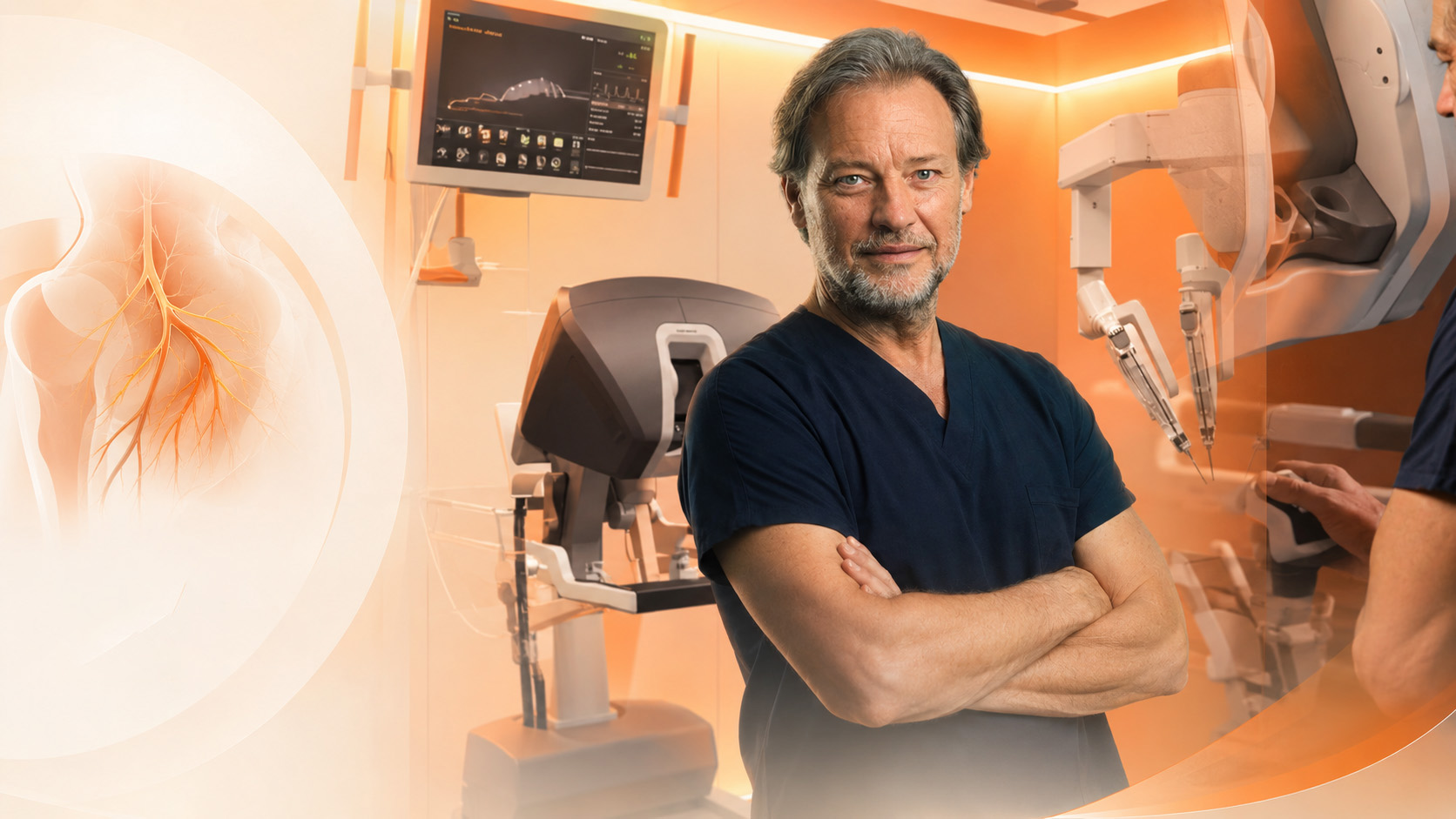
Years of chronic pelvic pain, burning that worsens when sitting, and "treatment-resistant prostatitis / cystitis" often hide an underlying pudendal nerve entrapment. Prof. Dr. Tibet Erdogru is the first surgeon worldwide to describe laparoscopic pudendal nerve decompression.

  • World’s first laparoscopic pudendal surgery (2014)
  • da Vinci robotic decompression since 2021
  • Cases reporting 90% pain reduction
Prof. Dr. Tibet Erdoğru — Üroloji & Robotik Cerrahi
Prof. Dr. Tibet Erdoğru

Quick Application

Leave your details and we will get back to you shortly.
Definition

What is Pudendal Nerve Entrapment (Pudendal Neuralgia)?

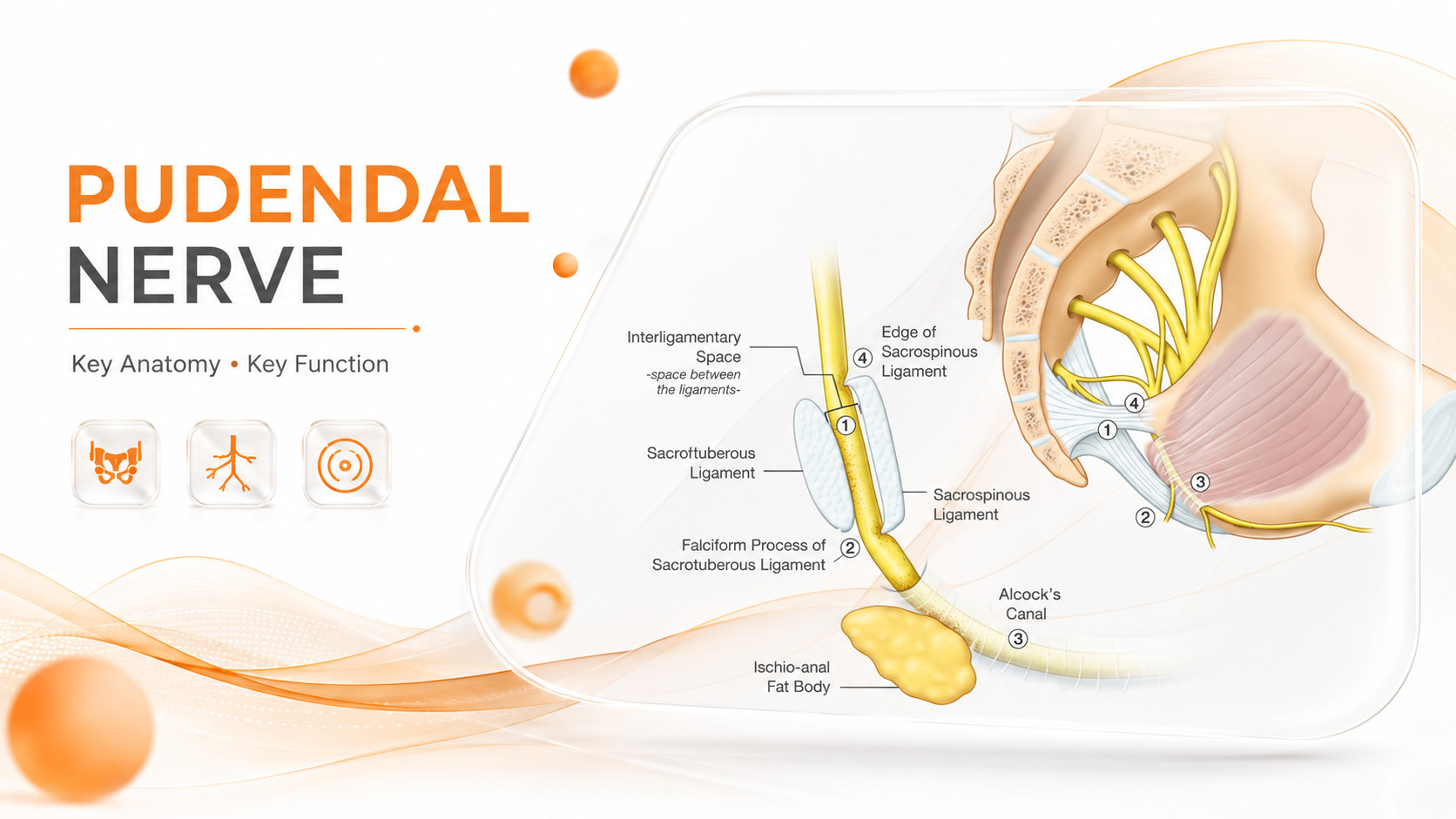
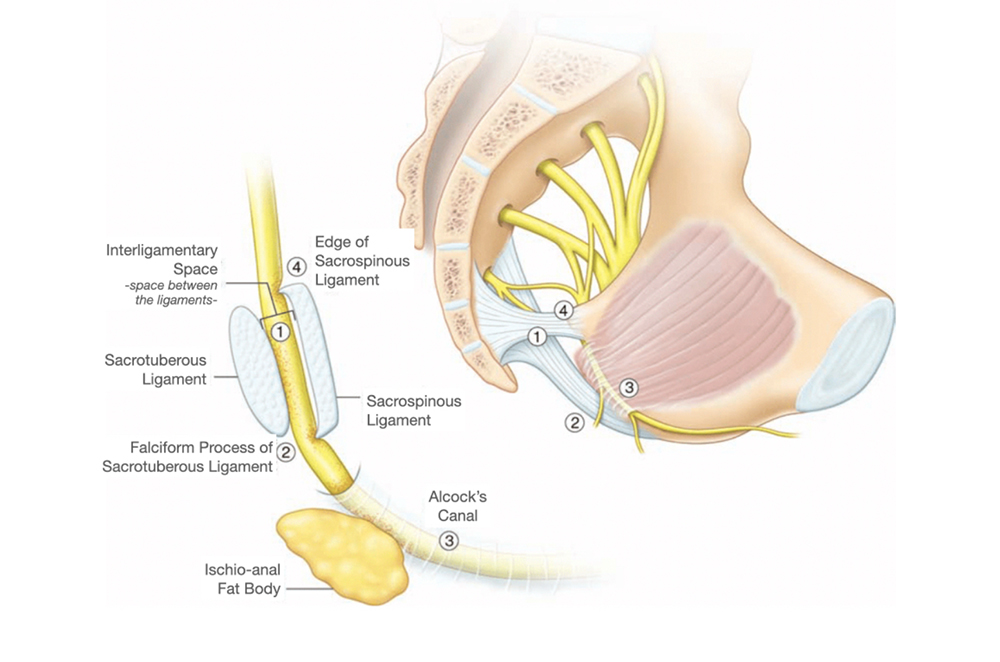
Pudendal neuralgia is a pathological pain caused by entrapment of the pudendal nerve along its anatomical course. Also known as Alcock’s Canal Syndrome, the nerve is compressed as it passes between the sacrospinous and sacrotuberous ligaments when this space narrows.

Compression sites: between the sacrospinous–sacrotuberous ligaments (70%), Alcock’s canal (20%) and other branches. Pain is felt in the vagina, clitoris and vulva (women); penis, scrotum and urethra (men); and the perineum (around the anus) in both sexes.

Diagnosis is reached by interpreting the patient’s history, characteristic symptoms and the "Nantes criteria" together. There is no definitive EMG, MRI or test that directly shows the pudendal nerve; therefore the systematic assessment of an experienced physician is decisive.

Pudendal nerve anatomy

Pudendal sinir & Alcock kanalı — anatomik seyir

Frequently Confused Diagnoses

Very similar to chronic prostatitis in men and interstitial cystitis (painful bladder) in women. Patients are often mistreated for years. In the US, 95% of 7.8 million annual "prostatitis" visits show no microbe.

Most Common Causes

Long-term cycling/weightlifting, pelvic trauma, pelvic surgery (especially mesh), difficult delivery, chronic constipation and peripheral neuropathy (diabetes, vasculitis).

Key Clue

Typical hallmark: pain increases while sitting, decreases when lying down, and worsens as the day progresses.

Clinical Symptoms

Do You Have These Symptoms?

The core complaint is neuropathic pain: like salt on a wound, a spiky cactus, or an electric shock.

Perineal/genital pain that worsens sitting, eases lying down
Burning sensation in the urethra
Constant urge to urinate despite an empty bladder
Frequent and urgent urination
Pain during or after orgasm
Severe pain on vaginal or rectal examination
Discomfort increased by tight clothing
Pain with constipation and bowel movements
Scrotal pain
Tingling in hip/leg, pain radiating to the lower back
Diagnosis

How is it Diagnosed?

No single test proves pudendal nerve entrapment with 100% certainty. Diagnosis relies on history, characteristic symptoms and the Nantes criteria evaluated together.

History & Examination

Heavy sport, trauma, pelvic surgery, difficult delivery and prolonged sitting are reviewed. The "Skin Rolling Test" is an important finding.

MRI / CT

Does not show the pudendal nerve but is needed to rule out tumors/lesions causing pain.

Electrophysiology (PNMLT)

Measures nerve conduction velocity. A normal result does not exclude neuralgia.

Pudendal Nerve Block

A marked reduction in pain after local anesthetic supports the diagnosis; it is both diagnostic and therapeutic.

Nantes Diagnostic Criteria

Pain in the anatomical territory of the pudendal nerve (perineal, genital, anal)
Pain worsened by sitting
Pain that does not wake the patient at night
No objective sensory loss on examination
Pain relieved by a pudendal nerve block
Surgical Treatment

Robotic & Laparoscopic Pudendal Nerve Decompression

In selected patients who do not respond to conservative treatment, the compression on the nerve is released with minimally invasive (keyhole) surgery. The da Vinci robotic system enables work without damaging the nerve through 15x magnification, stable 3D vision and tremor-free instruments.

Robotic/Laparoscopic Advantages

  • No surgical incision; performed through small ports
  • Minimal blood loss, low infection risk
  • Less post-operative pain, fast recovery
  • 1–2 day hospital stay, return to daily life in 6–7 days
  • Precise approach to the nerve with 15x magnification

How is the Surgery Performed?

On the affected side, the fascial layer covering the muscles lining the pelvic floor is opened.

The sacrospinous ligament beneath the internal iliac vein is divided to release the compression on the pudendal nerve.

If compression extends deeper, the lower band of the obturator muscle forming Alcock’s canal is divided to fully free the nerve.

After the ~2–3 hour procedure, hospital stay is 1–2 days; return to daily life in 6–7 days.

Other Surgical Techniques

Transgluteal

Performed via a ~10 cm gluteal incision; good nerve exposure but high morbidity and long recovery.

Transperineal

The first described technique; requires blunt dissection without clear vision, hard to learn and perform.

Transischiorectal / Transvaginal

Requires dividing both ligaments; poor image quality, pain may persist.

A World First

Prof. Dr. Tibet Erdogru first described the laparoscopic pudendal nerve decompression and transposition technique (the Istanbul Technique) worldwide in 2014, and transitioned to robotic decompression in selected cases from 2021.

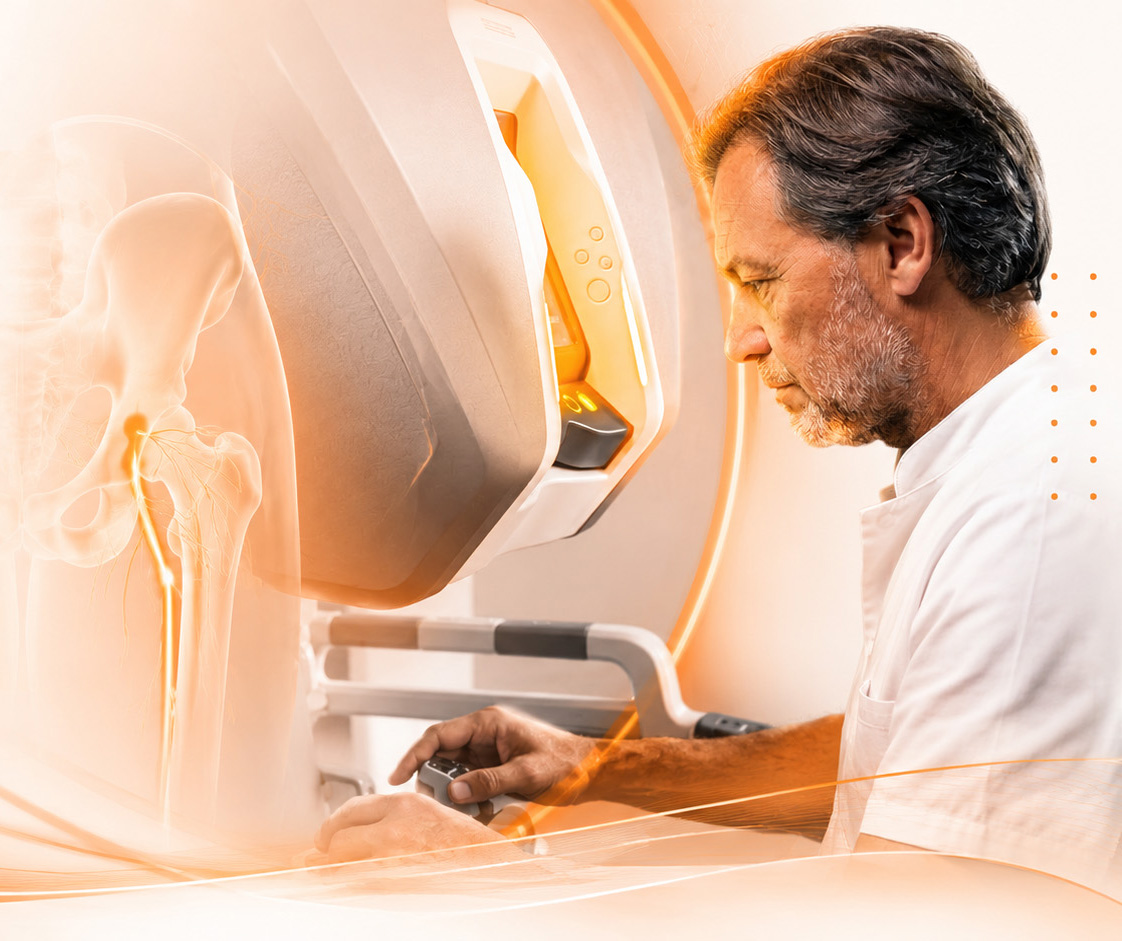
Robotic pudendal nerve decompression — with the da Vinci system

Robotic pudendal nerve decompression — with the da Vinci system

Robotic Decompression

Robotic Pudendal Nerve Decompression Surgery

The pudendal nerve is formed from spinal roots S2–S3–S4; it exits the pelvis alongside the pudendal vein and artery, passes between the sacrospinous and sacrotuberous ligaments and runs along Alcock’s canal. Compression along this course causes neuropathic pain and urinary, defecatory and sexual symptoms.

When conservative care failsIn carefully selected patients, surgical decompression is a safe and effective alternative.
The da Vinci advantageNerve dissection is performed with great precision thanks to high-definition stable 3D vision and tremor-free robotic arms.
High success rateRobotic neurolysis markedly reduces pain in PNE patients; published cases report 90% pain reduction at 10 weeks.

Prof. Dr. Tibet Erdogru first described laparoscopic pudendal nerve decompression worldwide in 2014 (PubMed: 24149853), first reported laparoscopic neurolysis in mesh-related PNE (27250921) and selective pudendal neuromodulation in neurogenic bladder (32395321), and transitioned to robotic decompression in selected cases from 2021.

The da Vinci Robotic Surgical System
Technology

The da Vinci Robotic Surgical System

The da Vinci robotic system gives the surgeon 15x magnification, three-dimensional depth and tremor-free instruments more precise than the human hand. It makes it possible to reach the deepest, narrowest structures of the body — such as the pudendal nerve — with the least possible tissue damage (minimally invasive). No surgical incision, low bleeding and infection risk, and fast recovery.

15xMagnification
3DDepth
EndoWristPrecise Motion
Min.Invasive
Application

Apply for an Assessment

Fill in the form; your application goes directly to Prof. Dr. Tibet Erdogru’s team.

Scientific Board Member · 11 Years

Challenges 2026

in Laparoscopy, Robotics & AI

Rome · Italy

Serving on the scientific board of CILR — the world’s most prestigious robotic surgery congress — for 11 years, and performing 30 live broadcast robotic surgeries in 3 days alongside world-renowned surgeons at such a congress, has been a great honor.

View the Congress
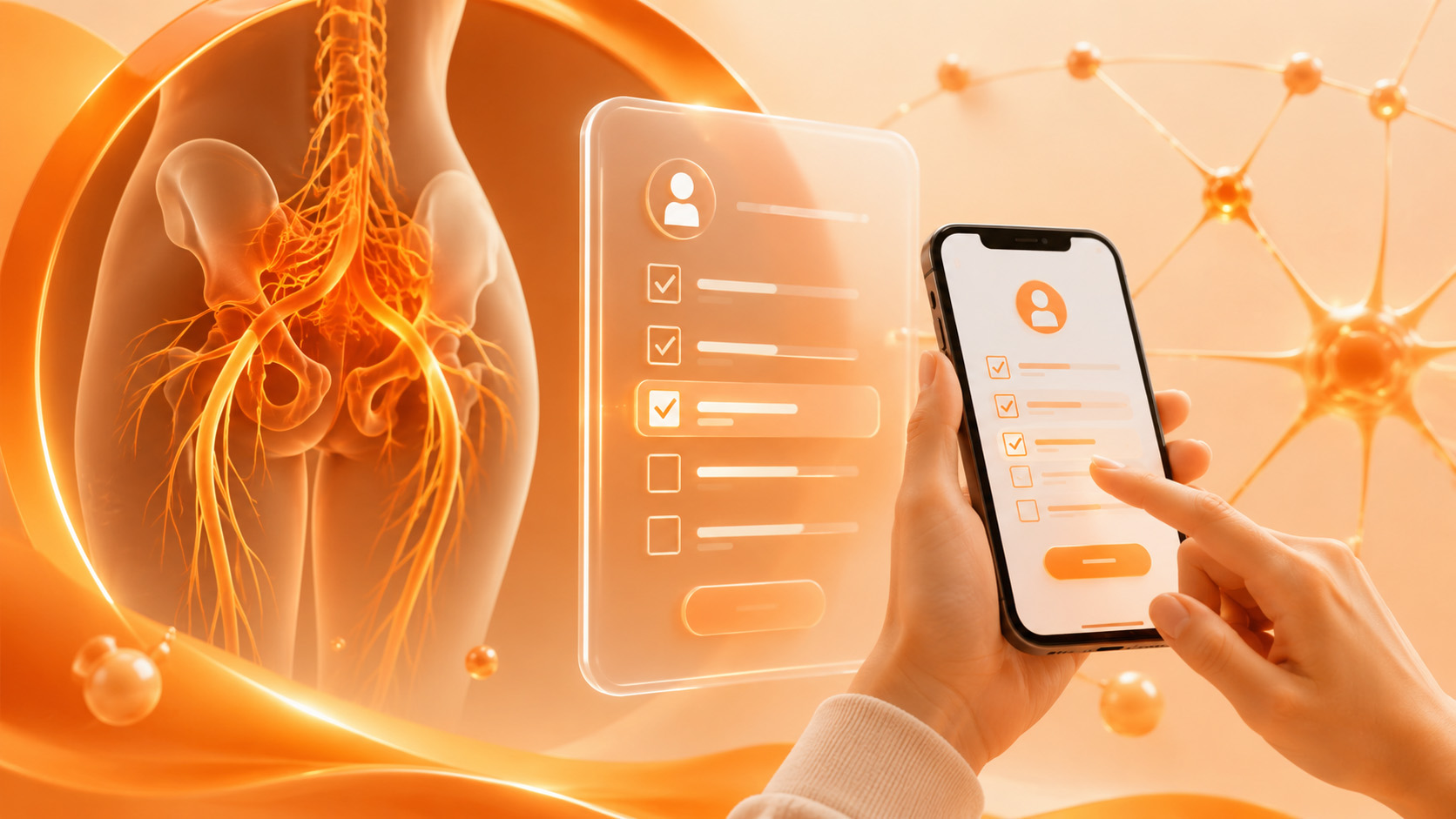
IQPD 1.1Integrated Questionnaire for Pudendal Diagnosis